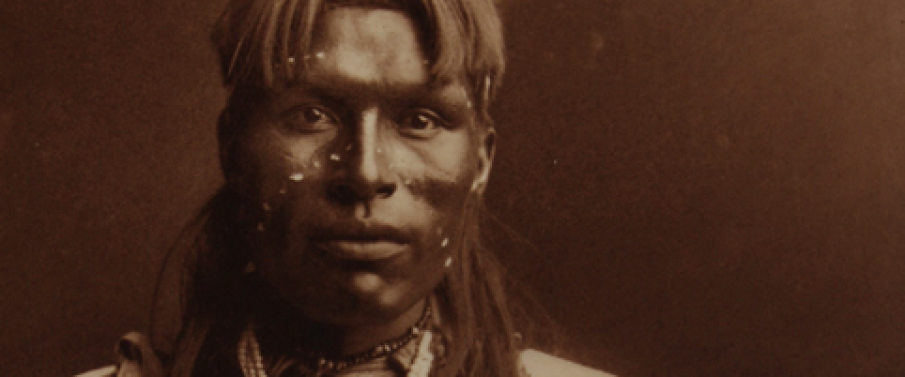
In this, the second installment of Dog Eared Discoveries, my bookshelves offer up “Short Nights of the Shadow Catcher,” Timothy Egan’s epic biography of photographer Edward Curtis.
I have long been a fan of Curtis’ images, which seem to sear right to the soul – both that of the subject and that of the viewer. It is like Curtis demands that we see past the cliché and costume of the Native American to their essential humanity. And, perhaps, that we question our own humanity. As a young reporter in Minneapolis, one of my few freelance pieces was about a stunning collection of Curtis photos obtained by a St. Paul gallery. To this day, I regret that I did not forego a year’s worth of shoes and heat and dinners out to buy one. Now I can visit an entire wall of them at Chihuly Garden & Glass at Seattle Center.
I also am a fan of Tim Egan’s work. As an editor at The Seattle Times, I winced on many Sundays when a piece of his in The New York Times would stitch together the pieces-parts we had reported over several months into one big, meaningful quilt. I have been even more taken with his book-length work about early 20th century American history: The government’s complicit role in the Dust Bowl; the creation of the U.S. Forest Service in the wake of a devastating forest fire; Curtis’ obsessive quest to capture the end of an era. (And now, of course, he also now writes those no-BS Opinionator pieces in The Times. Damn, he’s good.)
There are dozens of dog-eared pages in my copy of “Short Nights” (mass-produced paperback version, so much more affordable than a Curtis original).

